Workshops, Courses & Technology
Teaching is a relational, co-creative practice and act of service that extends far beyond the traditional classroom. Whether designing trauma-informed movement workshops, facilitating critical dialogue in the community and college courses, or leveraging digital tools to streamline learning from the classroom to the boardroom, my approach is grounded in care, accessibility, and purposeful engagement that strives to make a lasting impact.
Keep reading for a snapshot of my 20-year (yet ever evolving) teaching practice.
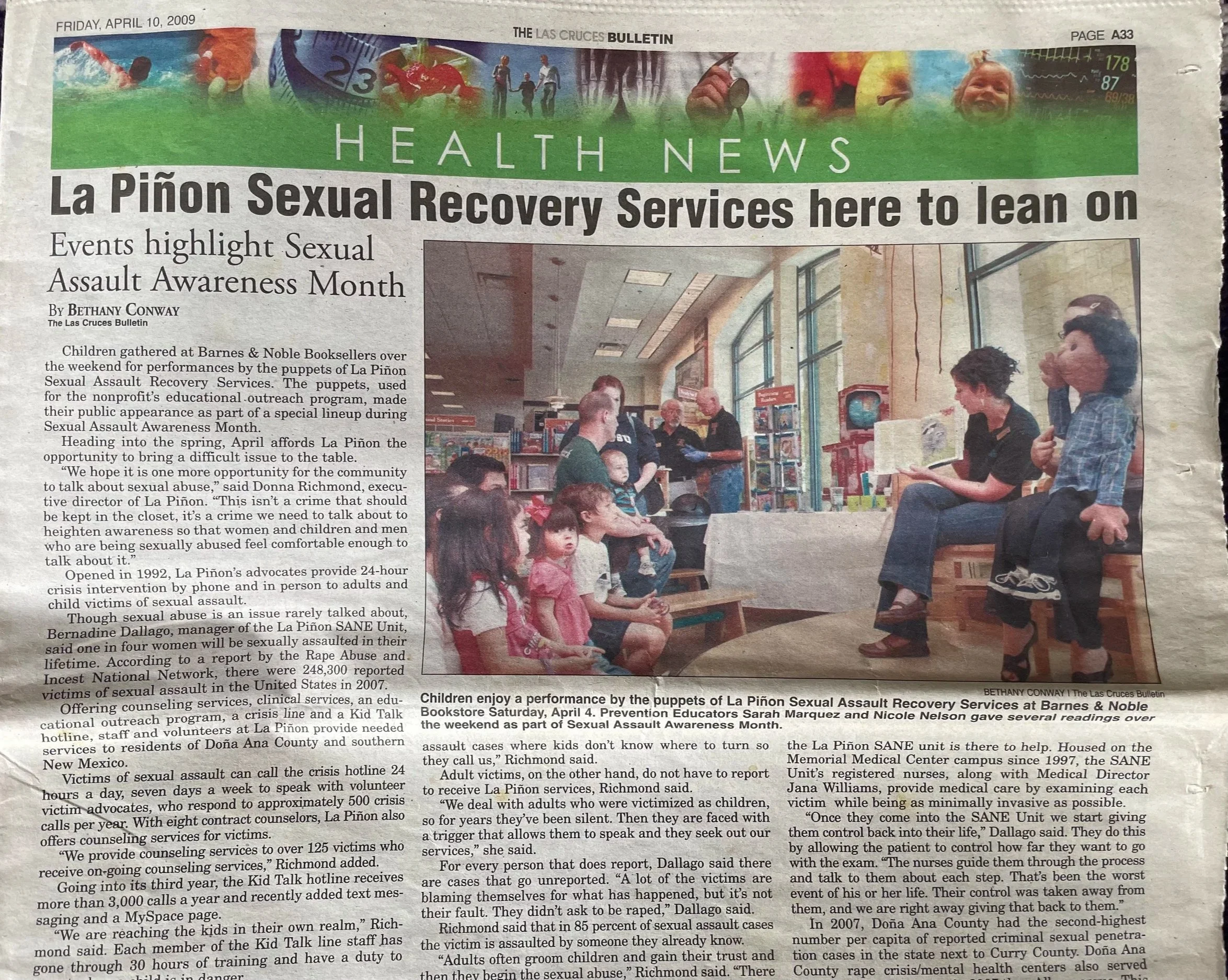
Sarah’s (left presenter, with book) teaching career began in 2004, as a peer educator for the Wellness, Alcohol, and Violence Education (WAVE) Program at New Mexico State University. From 2007-2009, she served as a City Prevention Educator for La Piñon Sexual Assault Recovery Services of Southern New Mexico, where she presented to over 8,000 community members of all ages, such as the children pictured receiving community education during Sexual Assault Awareness Month. Guided by her passion for public health and social justice, Sarah’s teaching has always been inspired by her belief that a safe, healthy world is possible—for all of us.

Trauma-Informed, Mindful Movement Workshops
-
![]()
Embodied
A trauma-sensitive community yoga practice, centered on student choice and personal expression. All proceeds built a scholarship fund for women experiencing domestic violence and incarceration.
-
![]()
Hamstrings & Heartstrings
A three-part series combining self-myofascial massage with yoga, inspired by training with Jill Miller (Yoga Tune-Up) and Tom Meyers (Anatomy Trains).
-
![]()
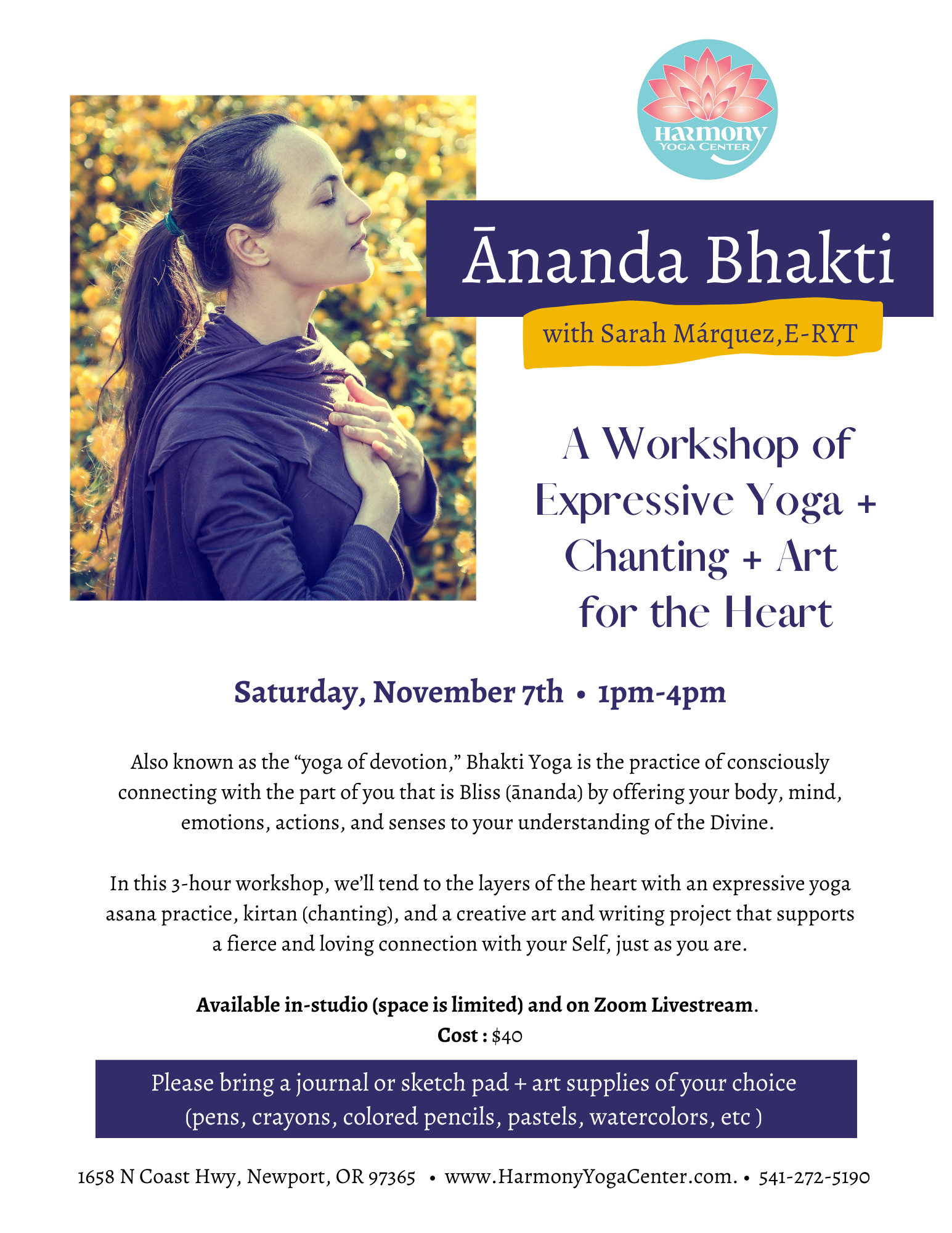
Ananda Bhakti
A devotional and expressive yoga practice, focused on guiding students to meaningfully connect with the relationship between their minds, hearts, and bodies.
-
![]()
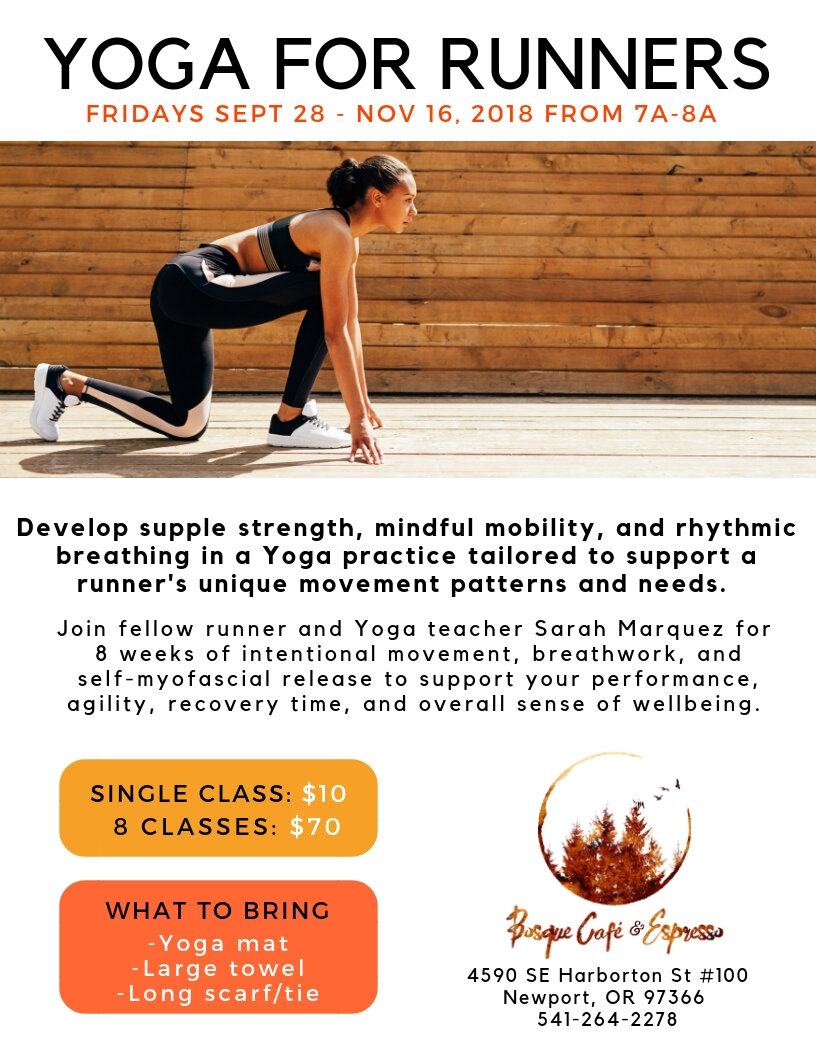
Yoga for Runners
An 8-week yoga series for runners to support mindfulness, performance, and mobility.
-
![]()
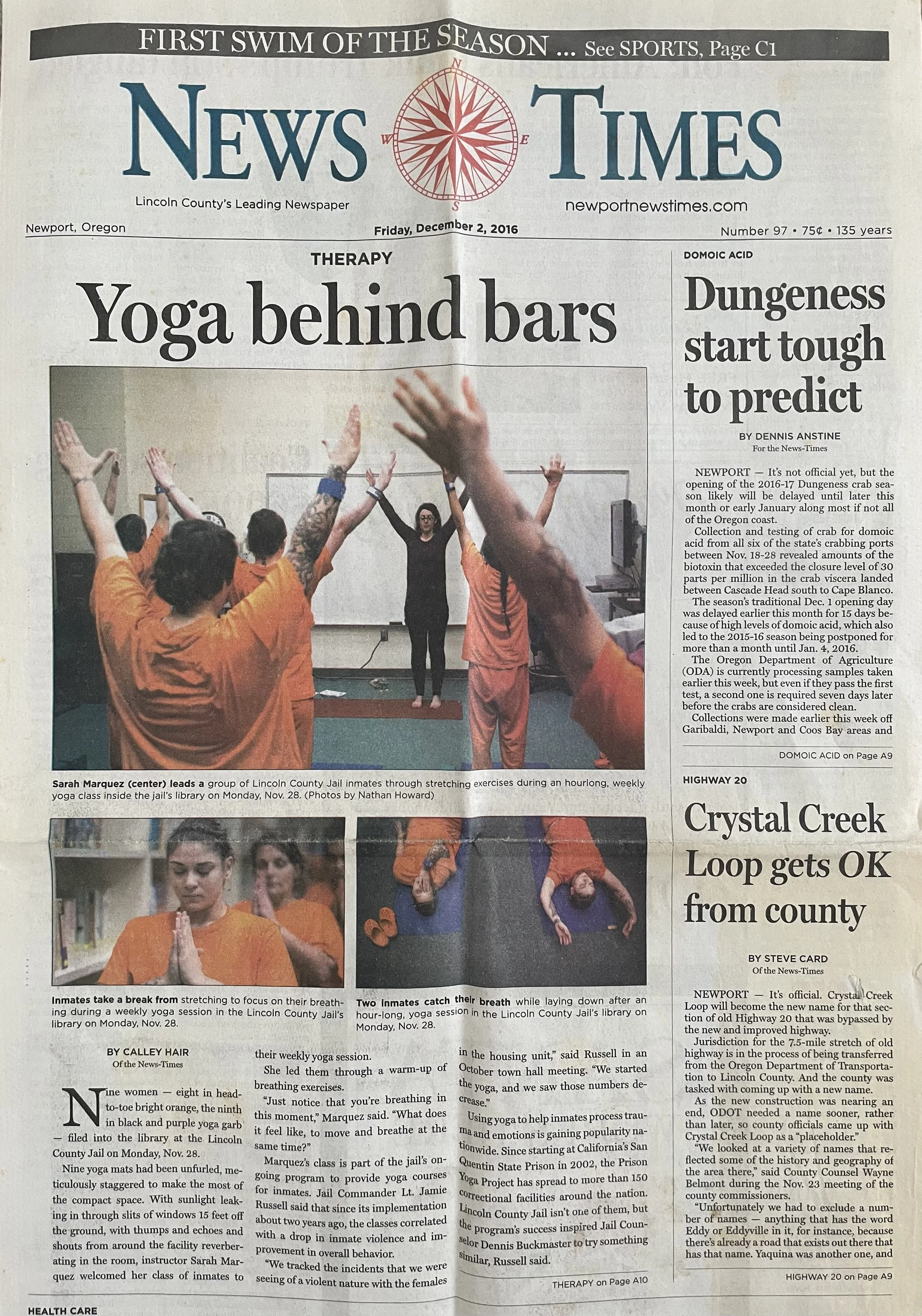
Yoga Behind Bars
A volunteer, trauma-informed weekly yoga class at the Lincoln County Jail in Newport, OR, focused on student choice, relaxation, and dignity.



College Courses
-
Available August 2028
Teaching Modalities: In-Person, Distance
Credits: 3
Course Overview
In this 100-level communication course, students will develop skills in ethical communication, persuasion, and public speaking that are transferable to everyday life and civic participation. Through interactive lectures and experiential learning, students will gain a practical and theoretical understanding of rhetoric not just as public performance, but as a medium for symbolic action, critical inquiry, growth, and social change.Learning Outcomes
Understand Symbolic Action (Cognitive – Understand): Recognize communication as a vital process that constructs social realities and identities.
Engage Critically (Cognitive – Evaluate): Demonstrate responsibility and critical awareness regarding the production, impact, and biases of digital communication.
Craft Ethical Messages (Psychomotor/Cognitive – Create): Create and deliver discerning presentations that promote the common good and respond thoughtfully to diverse rhetorical situations.
Apply Community Praxis (Cognitive/Affective – Apply): Bridge communication theory with real-world community needs through collaborative partnerships and service.
Create Resources (Psychomotor – Create/Execute): Produce a real-world deliverable that supports the specific needs of a community partner.
-
Available August 2028
Teaching Modalities: In-Person, Distance
Credits: 3
Course Overview
In this 200-level communication course, students will learn the core theories and practical skills of interpersonal communication needed to build and maintain successful personal and professional relationships. Through interactive lectures and experiential learning, students will gain a theoretical and practical understanding of how communication shapes our everyday lives—from initiating relationships and providing social support to navigating cultural dynamics and perception. The course concludes with an intensive focus on strategic conflict management, equipping students to transform both the mundane and most difficult interpersonal communication challenges into opportunities for mutual understanding and growth.Learning Outcomes
Understand Core Principles (Cognitive – Understand): Explain foundational concepts and theories of interpersonal communication, including the roles of self-perception, culture, and verbal/nonverbal messages.
Analyze Relational Dynamics (Cognitive – Analyze): Examine personal, professional, and family communication scenarios to evaluate how interpersonal processes drive relationship development, maintenance, and termination.
Apply Communication Skills (Psychomotor/Cognitive – Apply): Practice effective listening, social support, and interpersonal communication strategies across diverse personal and professional contexts.
Reflect & Strategize (Cognitive/Affective – Evaluate & Create): Critically reflect on personal communication patterns and implications for behavior, leveraging theory to derive actionable improvements.
Manage Strategic Conflict (Cognitive/Psychomotor – Evaluate & Execute): Evaluate, design, and execute strategic conflict management techniques to resolve interpersonal conflict constructively and ethically.
-
Available August 2028
Teaching Modalities: In-Person, Distance
Credits: 3
Course Overview
In this 200-level survey course, students will learn the core theories, research methods, and practical applications of strategic communication from a business perspective. Through interactive lectures, message design projects, and case-study analysis, students examine how integrated marketing communications, public relations, advertising, and digital channels operate within complex media ecosystems. Drawing on real-world campaign execution and organizational messaging, the course emphasizes human behavior and cognition, equipping students to design ethical, data-informed campaigns that advance organizational goals while upholding social responsibility and protecting vulnerable populations.Learning Outcomes
Understand Strategic Principles (Cognitive – Understand): Explain foundational concepts of integrated marketing communications, target marketing, branding, and consumer decision-making processes.
Examine Research Methods (Cognitive – Analyze): Analyze the quantitative and qualitative research methods used to evaluate strategic communication effectiveness and audience behaviors.
Evaluate Mediated Channels (Cognitive – Evaluate): Compare how mass media, public relations, advertising, and digital/social media channels are deployed strategically to influence groups and societies.
Analyze Social & Ethical Dimensions (Cognitive/Affective – Evaluate): Assess the ethical implications and social responsibilities of strategic messaging, particularly regarding vulnerable populations.
Execute Strategic Deliverables (Psychomotor/Cognitive – Create/Apply): Design, write, and execute professional-grade communication deliverables—such as campaign briefs, digital collateral, and multi-channel messaging strategies—commonly employed in strategic communication industries.
-
Available Now
Teaching Modality: In-Person
Years Taught: 2015 - 2019
Institution: Oregon Coast Community College
Credits: 1
Course Overview
In this physical education course, students will develop skills on the yoga mat that are transferable to everyday life. Additionally, students will gain an experiential understanding of Yoga, not just as a form of physical exercise, but as a medium for self-reflection and growth—personally, professionally, and academically.Learning Outcomes
Understand Tradition (Cognitive – Understand): Explain and respect the historical evolution and foundational principles of yoga as both a physical practice and a framework for self-study (svadhyaya).
Regulate Physiology (Psychomotor/Cognitive – Apply): Utilize conscious breathing techniques (pranayama) to proactively regulate the nervous system and manage physical and emotional energy.
Analyze & Rewire Patterns (Cognitive/Affective – Analyze & Evaluate): Identify ingrained postural and mental habits (samskaras) and cultivate intentional new pathways (sankalpa) through mindful movement.
Embody Physical Alignment (Psychomotor – Apply/Execute): Activate skeletal muscles and core stabilization to build balanced postural alignment and somatic awareness in both class and daily movement.
Integrate Restorative Practice (Psychomotor/Affective – Internalize): Practice guided deep relaxation (Yoga Nidra) to facilitate somatic integration, stress management, and conscious rest.